
Since 1979
Our History
From our beginnings in Arezzo in 1979 to today’s integrated hardware and software portfolio.
1979
Birth of the SECO Laboratory
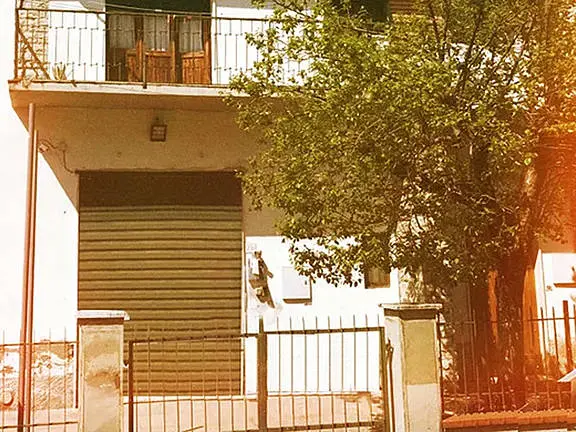
SECO's story began in the 1970s in a garage in Arezzo, Italy, where two friends just into their twenties were – unbeknownst to them - getting ready to invent the future. Their names: Daniele Conti and Luciano Secciani.
Ever since childhood, they had shared an innate passion for electronics and a distinct entrepreneurial spirit. As they grew up together, surrounded by electronic circuits and schoolbooks, they realized that their hobby could become something much bigger, something sensational.
Daniele and Luciano’s first professional creation was an electronic car ignition kit, which they sold to a local mechanic. Then came the revelation: there was a market for electronic solutions, an opportunity just waiting for them. This led to the birth of the first SECO electronics laboratory, in April 1979.
An Uphill Battle Early On
Arezzo was in the midst of an economic boom, but the market was still in an embryonic phase and the direction to take was far from clear. The days went by, full of new experiments and mounting expenses. The two young men didn’t have access to much capital and only managed to keep the company alive thanks to the economic support of their parents.
A first opportunity was concealed in the Tuscan city itself, in the jewellery sector. They began producing small systems for manufacturers of goldsmith’s machines, such as generators for galvanic baths and counters for machines used in gold and silver assembly. Incredible as it may seem, demand surpassed supply.
Daniele and Luciano were extremely ambitious, and no longer wanted to limit themselves to this local context. They decided to venture out into the world of transportation to expand and enrich their knowledge and know-how.
SECO 1979 
1979: Year of SECO's foundation 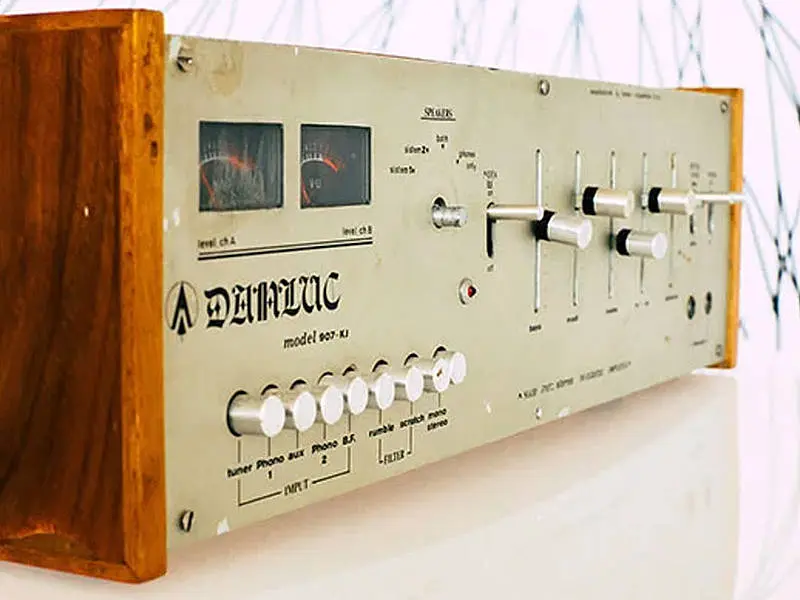
The first device that Daniele and Luciano built completely themselves in the 70s: A synthesizer. 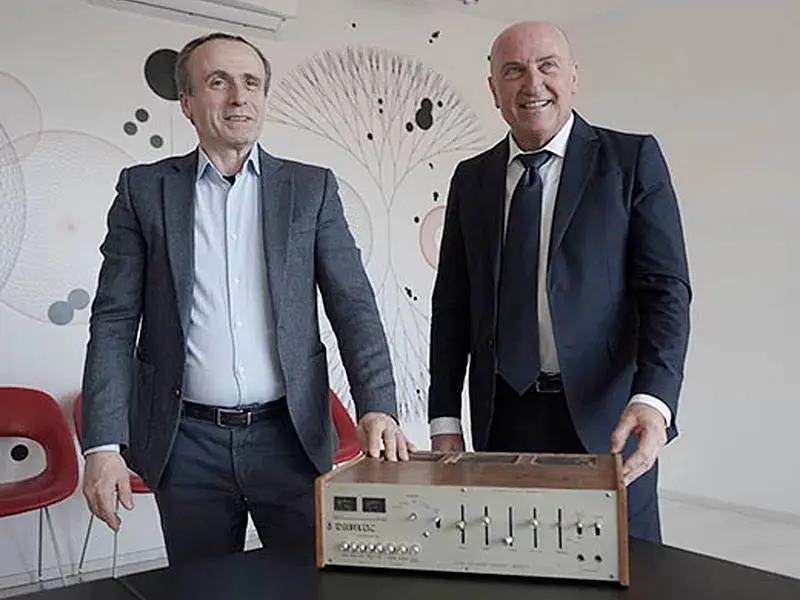
Daniele Conti - Luciano Secciani
1989
From SECO SYSTEM 210 to the First Industrial PC
In just 10 years SECO had become an established contractor in the electronics sector, but Daniele and Luciano had dreams that were larger still. They fell in love with the first personal computers arriving from overseas and wanted to create one with the SECO name. It wasn’t long before the birth of SECO SYSTEM 210. This first SECO computer was showcased at the SMAU convention, where it was nominated for the “Best Design” award among the most innovative products. This was the springboard for SECO SYSTEM 210, which reached the market that same year.
But now Daniele and Luciano had to answer the obvious question: was there truly room for an entirely Italian personal computer? Suggestive though the idea may be, the thought of undertaking the enterprise of a PC “Made in Italy” would necessarily have brought SECO face to face with some extremely daunting international competition. Yet SECO wanted to aim even higher and was determined to be unique and to explore new territories in which to shine.
In the eyes of the two talented young men, it was clear that the world of computers and electronics was destined to merge. This foresight led to the idea of transferring the experience acquired with the PC to industry, bringing about the creation of the planet’s first Eurocard-format industrial PC.
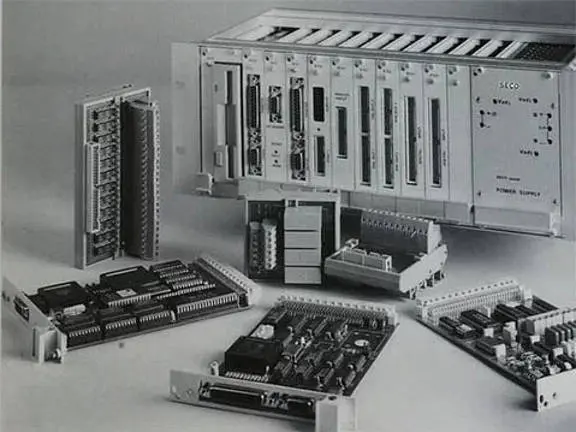
The first industrial PC in Eurocard format 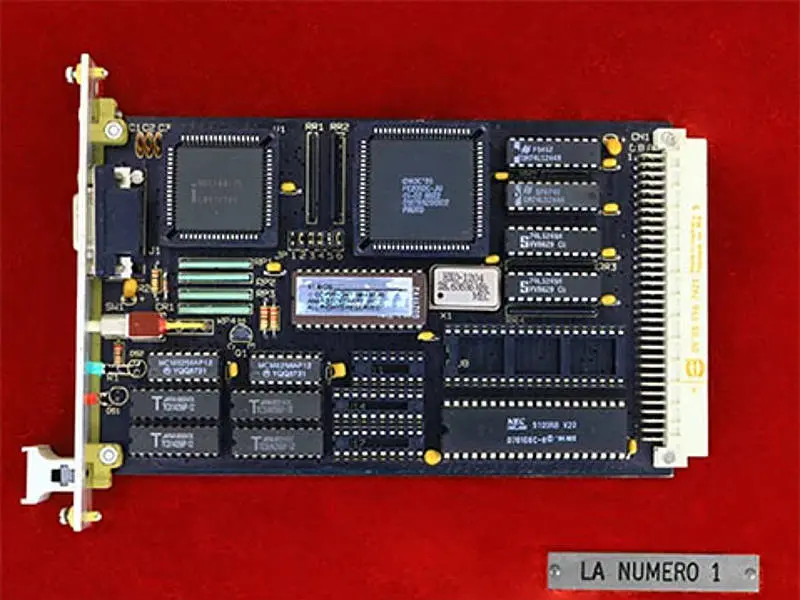
The first industrial PC in Eurocard format 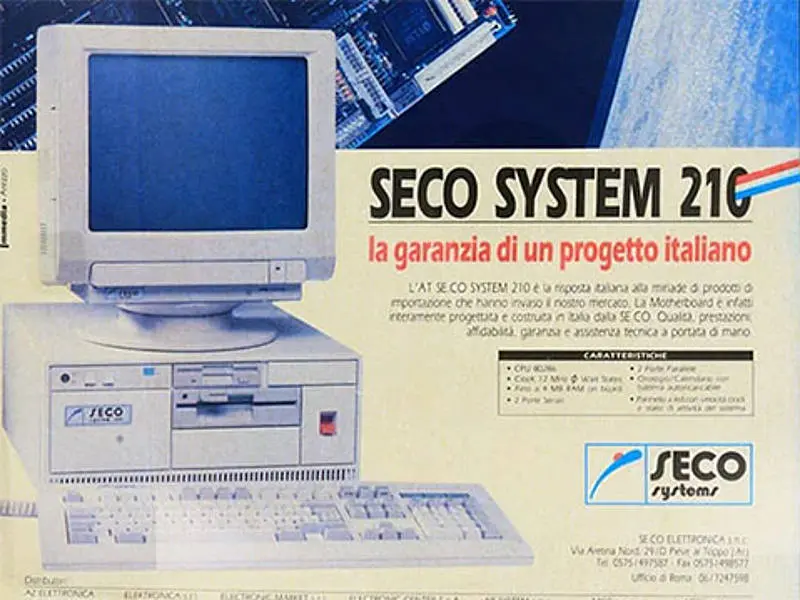
SECO SYSTEM 210 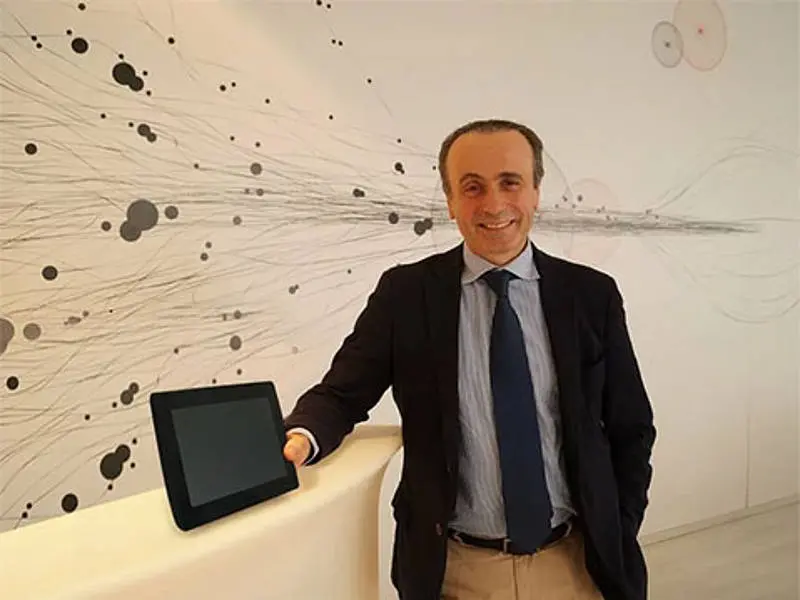
Daniele Conti: Co-founder and President of SECO
1999–2017
From Ellipse to UDOO
From that first personal computer, SECO’s path would be continually studded with success stories. 1999 saw the presentation of Ellipse, the first all-in-one touch PC designed to develop, create, and test product prototypes. In 2007 CUBIT was formed, a consortium and synergetic meeting place for the academic and business worlds, founded together with the University of Pisa’s Department of Computer Engineering and the Navacchio Technological Hub.
Just one year later, SECO consolidated its presence in the embedded market: together with Congatec and MSC, it founded the Qseven Consortium and the new Qseven standard module, adopted today around the world. In 2012 SECO was among the founding members of SGET (Standardization Group for Embedded Technologies) and, during the following three years, it initiated an internationalization process with the opening of new offices in Germany, the USA, India, and Taiwan.
Thanks to its partnership in 2013 with AiDiLAB, a spin-off of the Univerity of Siena dedicated to interaction design and IoT, whose acquisition by SECO group would be completed in 2019, SECO gave life to UDOO, the open-source single-board computer designed for the world of makers and professional developers. But UDOO is more than hardware; it’s also a solid community that today brings together over 100,000 digital artisans from around the world.
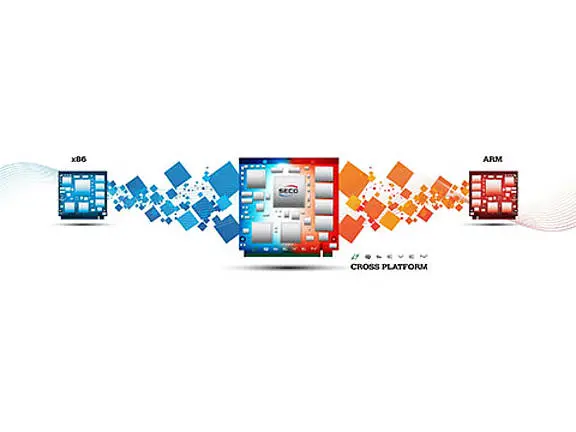
Qseven cross platform 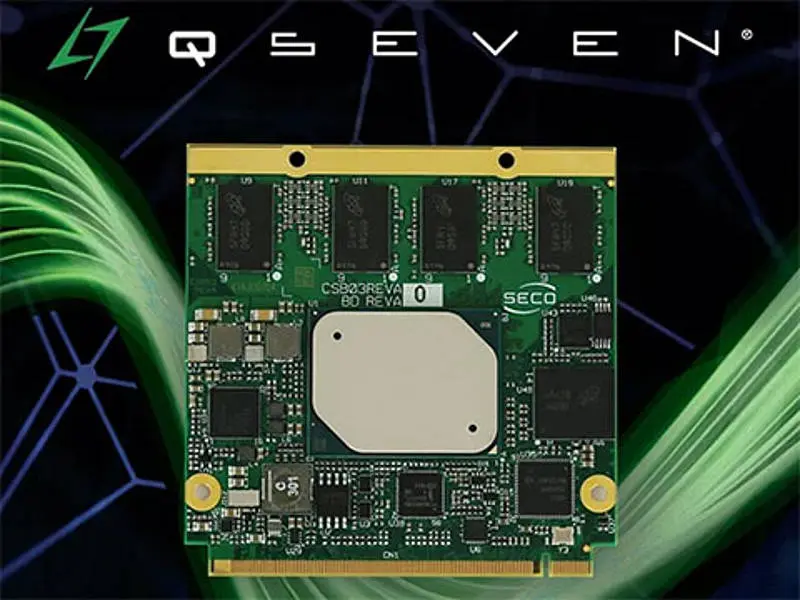
Qseven standard module 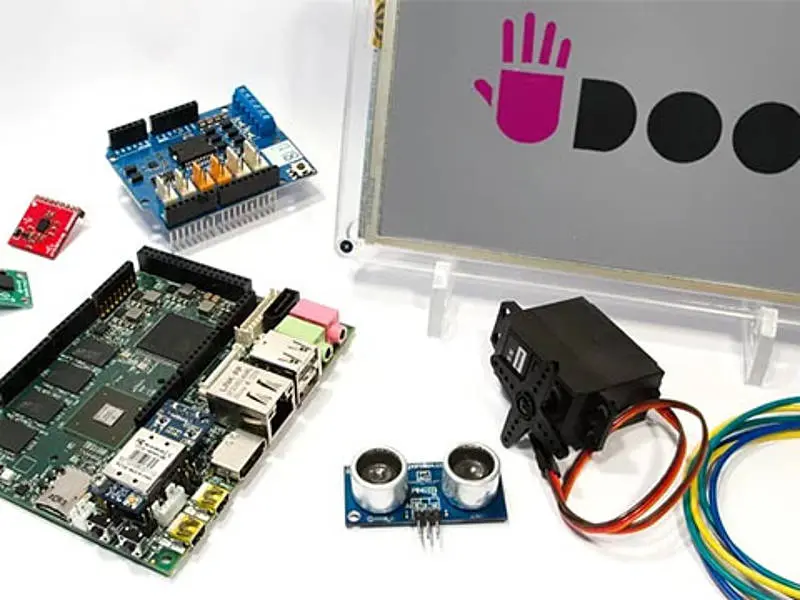
UDOO 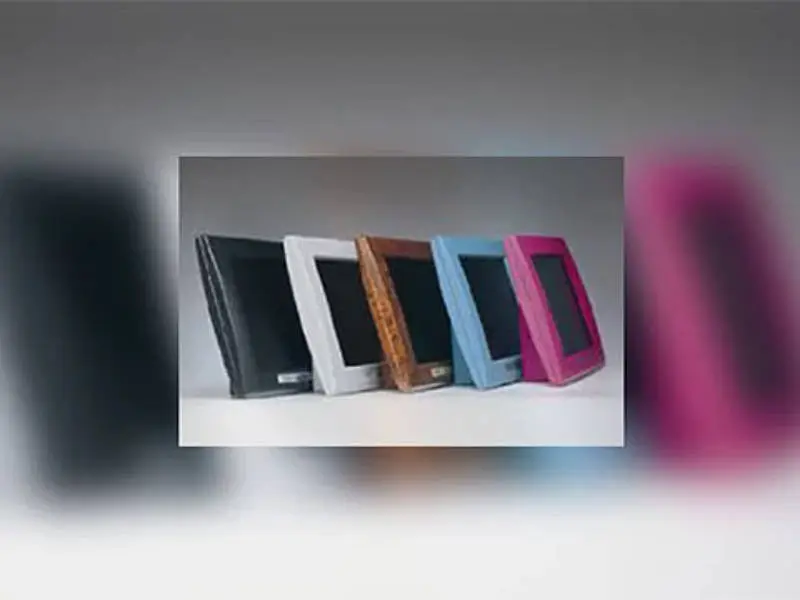
Ellipse
2018
New Investments and Managerialization
For SECO this was a year filled with important developments: particularly important was the investment by the fund FII Tech Growth, promoted by the Italian government’s Cassa Depositi e Prestiti and managed by Fondo Italiano d’Investimento SGR, to help SECO grow in the hi-tech sector and consolidate its market both at home and abroad.
In the following months, SECO undertook a significant managerialization. Following the capital increase, Massimo Mauri, the former VP of Eurotech, after working on behalf of SECO and its shareholders to conclude the FII Tech Growth operation, came on as a member of SECO Group’s Board of Directors, taking on a strategic role in support of the company’s development.
An evolved organizational model was implemented for the management of the company’s various areas, through the selection of a team of managers with specific responsibilities, chosen mainly from within SECO and involved in a program of growth and professionalization.
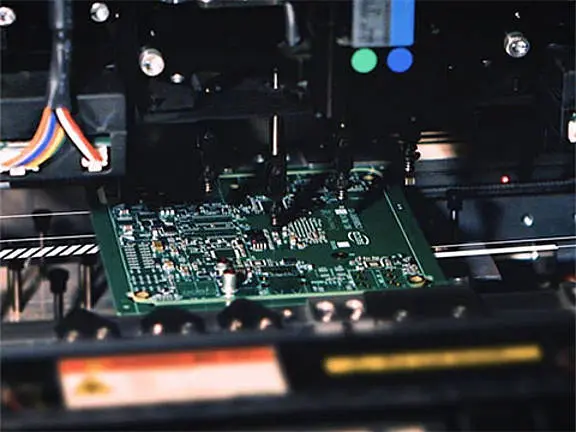
SECO Manufacturing 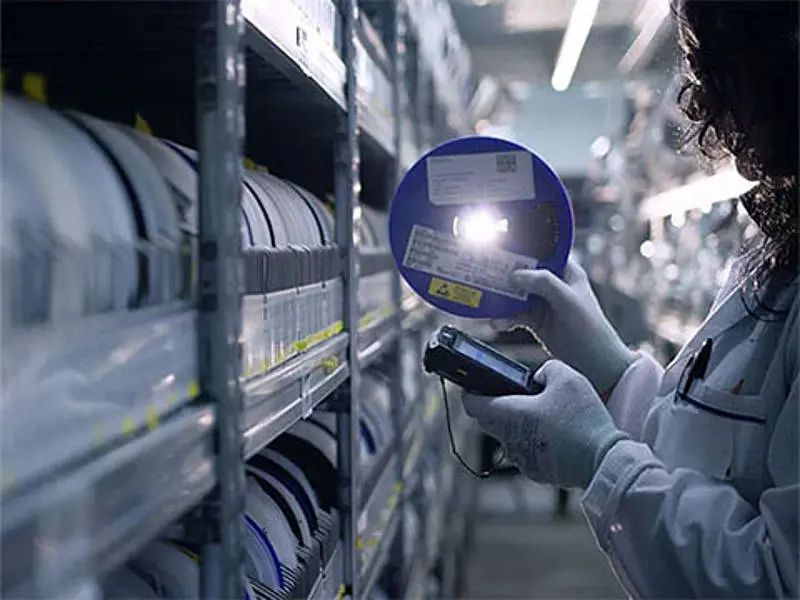
SECO Manufacturing 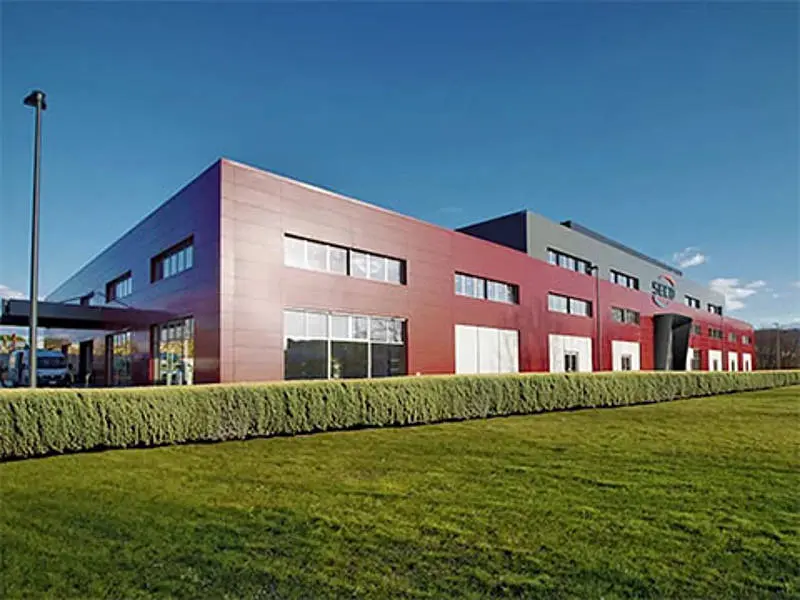
SECO new Headquarter 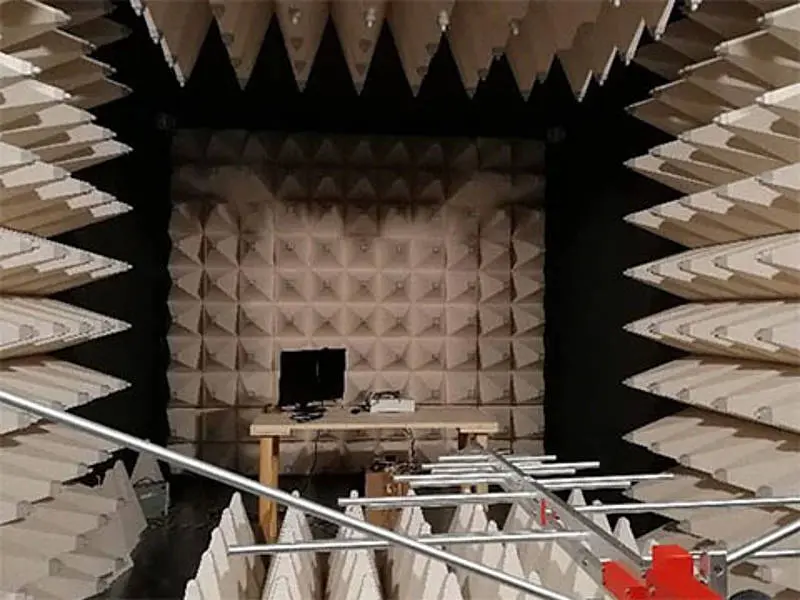
Electromagnetic anechoic chamber
2019–2022
Internationalization and business expansion
In 2019 two important events on the internationalization front allowed SECO to strengthen its presence in strategic foreign markets and accelerate the Group’s overall growth: the acquisition of Fannal Electronics, a Chinese company dedicated to man-machine interaction technologies, and of InHand Electronics, an American company specializing in customized embedded hardware, software, and device solutions for portable, interactive, networked, and IoT applications.
2019 also marked the Group’s 40th anniversary and saw the opening of our new Arezzo headquarters - nearly 97,000 square feet built according to the highest standards of innovation and energy efficiency.
In 2021, SECO significantly reinforced its expertise in Artificial Intelligence, IoT, and Big Data Analytics through key acquisitions including Inspirata, Hopenly, and Oro Networks LLC. These moves supported the launch of Clea, a software framework enabling customers to manage their IoT endpoints easily, effectively, and efficiently.
In May, SECO became a publicly-traded company, listed on the STAR segment of the Italian Stock Exchange with ticker symbol IOT.MI. With this historic step, the company raised significant capital resources to invest in further growth and development - accelerating its mission to become a global high-tech leader.
In October, SECO acquired Garz & Fricke, a leading European system provider specializing in ARM-based embedded technologies. This acquisition strengthened SECO’s footprint in Germany and expanded its portfolio in turnkey HMI, SBC, and payment system solutions for industrial applications.

Listing on the STAR segment of the Italian Stock Exchange 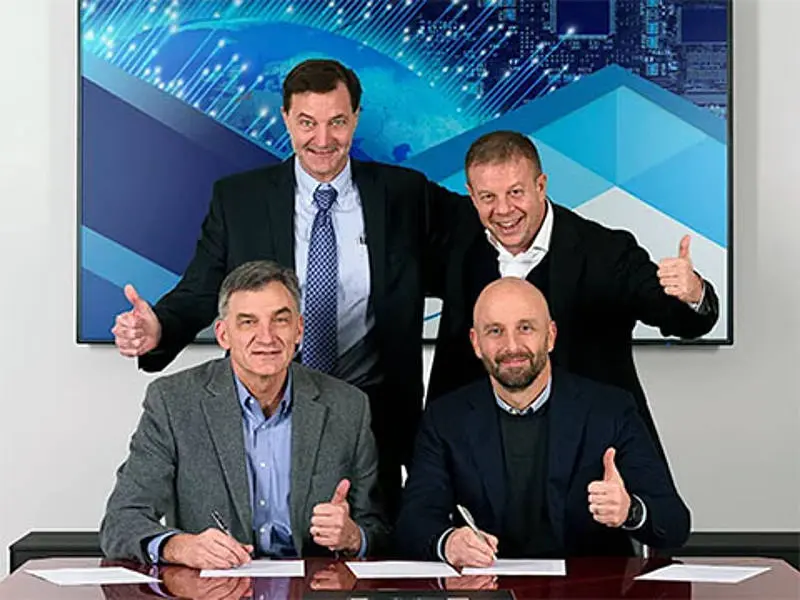
SECO - InHand Closing 
Internationalization of the Group 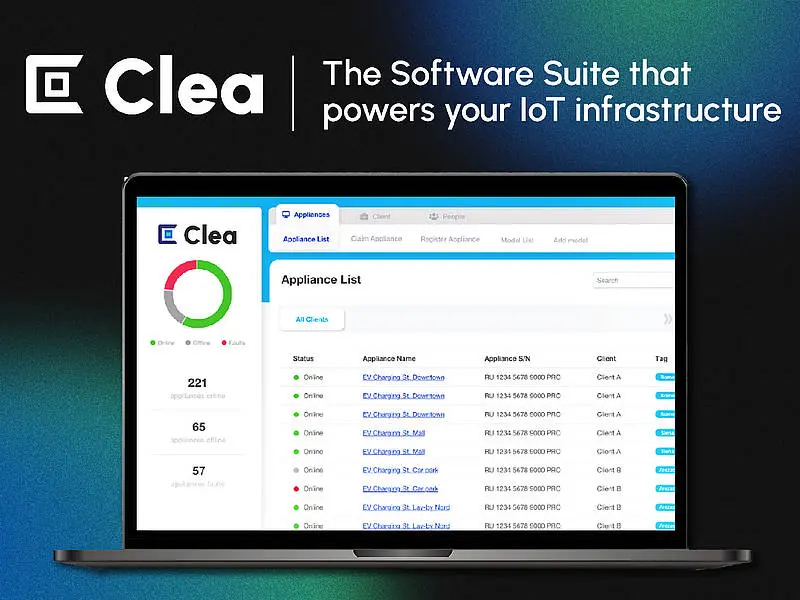
Clea 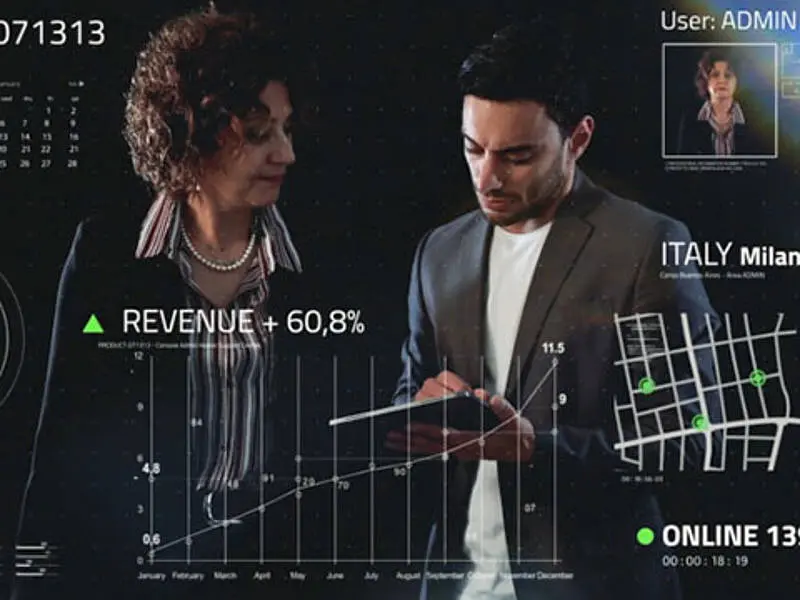
Clea AI
2023–2024
From modules to an Edge AI platform
In 2023 SECO added a reference shareholder and a new layer to Clea. In April, 7-Industries joined with a capital increase of up to €65M, reaching 11.3% of the share capital. The same month SECO launched Clea Store, a way for equipment makers to run their own branded marketplace for applications.
The partner map grew too. In March, SECO and MediaTek announced a joint market approach in Europe for MediaTek's SoCs. In September, Qualcomm Technologies selected SECO as an IIoT design center partner, to develop a system-on-module and a modular single-board computer based on Qualcomm Technologies' processors. In November, SECO announced a design win of over €50M with a worldwide maker of fully automatic coffee machines, for custom Edge computing systems.
On 12 January 2024 SECO inaugurated its new headquarters in Hangzhou, China: about 36,000 square meters on 9 floors, with around 200 people, built in less than three years.
Clea then became a stack. In April 2024 SECO and NXP announced their work to bring Clea to industrial and IoT applications. In September, SECO released Clea OS, an embedded Linux framework that supports both x86 and Arm processors. In November, SECO signed a strategic commercial agreement with Raspberry Pi, starting with a 10.1-inch HMI based on Compute Module 5, and an agreement with Hitachi Energy to develop the Utility Smart Box Family.
- SECO and NXP collaborate to bring Clea, a comprehensive end-to-end AI solution, to industrial and IoT applications
- SECO Announces the Release of Clea OS with Advanced IoT Capabilities and Expanded Hardware Support
- SECO and Raspberry Pi enter into a strategic partnership to expand their industrial IoT offerings
- SECO and Hitachi Energy collaborate to launch a family of innovative Utility Smart Boxes
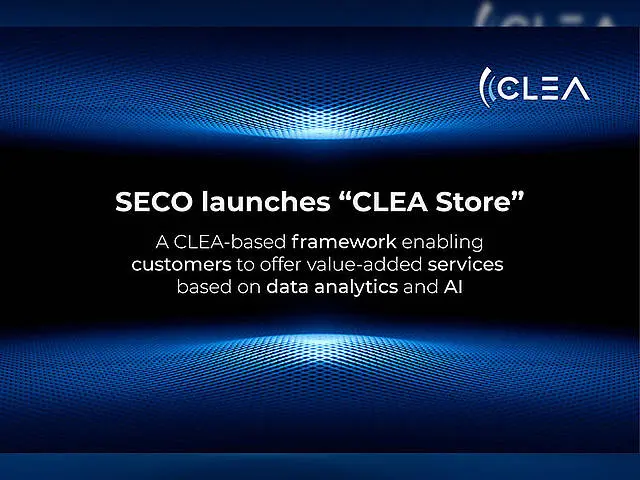
SECO launches "Clea Store" 
SECO has been selected by Qualcomm as an IIoT design center partner 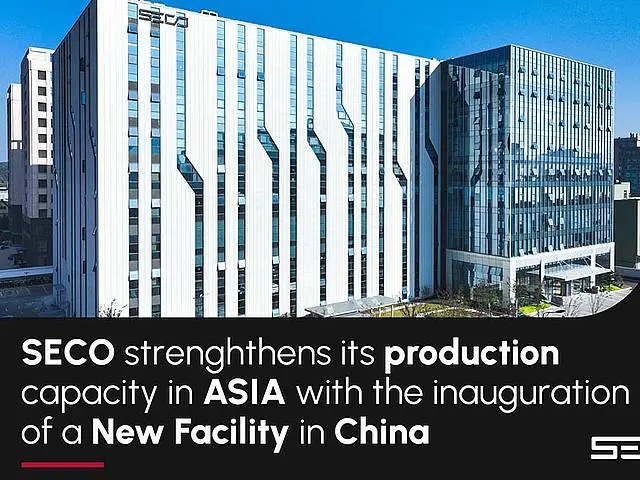
SECO strengthens its production capacity in Asia with the inaugration of a new facility in China 
SECO and Raspberry Pi enter into a strategic partnership to expand their industrial IoT offerings
2025–today
Edge AI, end to end
2025 was the year of the software around the hardware. In July, SECO launched the Application Hub, an app marketplace for Edge AI that opened with more than 150 AI and machine learning applications. In August it announced Clea OS 2.0, the default embedded Linux for all new SECO hardware products. In September it launched the Developer Center, the single portal for SECO's hardware and software documentation, completing the end-to-end Edge AI enablement toolkit. In October came Clea Vend, a telemetry platform for vending operators that connects through KarL4 contactless payment terminals, already rolled out on over 150,000 devices.
- SECO Launches its Application Hub to Accelerate AI Adoption at the Edge
- SECO announces Clea OS 2.0
- Launch of SECO Developer Center completing its End-to-End Edge AI enablement toolkit
- SECO launches its Clea Vend telemetry platform, enhancing accessibility to data-driven services that support greater efficiency and transparency in vending operations
In 2026 the work reached customers in demanding sectors. In January, SECO USA and Boeing announced the design certification of the deck control device for the U.S. Navy's MQ-25A Stingray, the result of a multi-decade engagement. In April, Hitachi Energy signed a multiyear agreement to adopt the Clea framework as a core element of its Energy Connect platform, and SECO USA received ISO 9001:2015 and AS9100D certification for its quality management system.
The Qualcomm® Dragonwing™ line is now the newest chapter. In August, SECO opened priority access to early samples of SOM-SMARC-Dragonwing-IQ8, developed with Arduino® and Qualcomm Technologies. In September it launched Compact Vision 5 Dragonwing IQ-2390 and SBC-Dragonwing-IQ-2390, and announced a partnership with NEURA Robotics on compute modules for NEURA's cognitive robots.
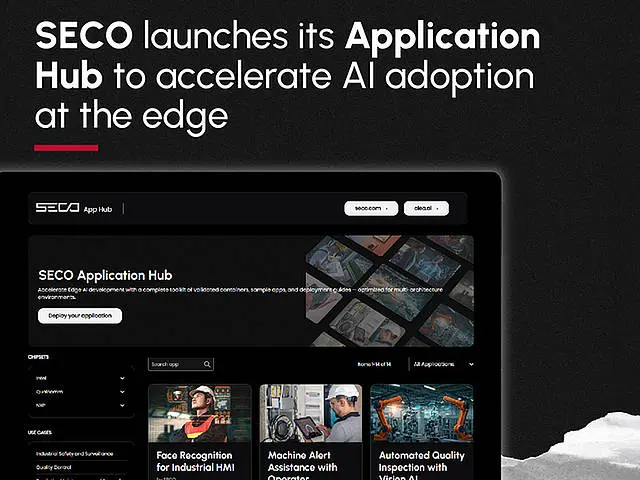
SECO Launches its Application Hub to Accelerate AI Adoption at the Edge 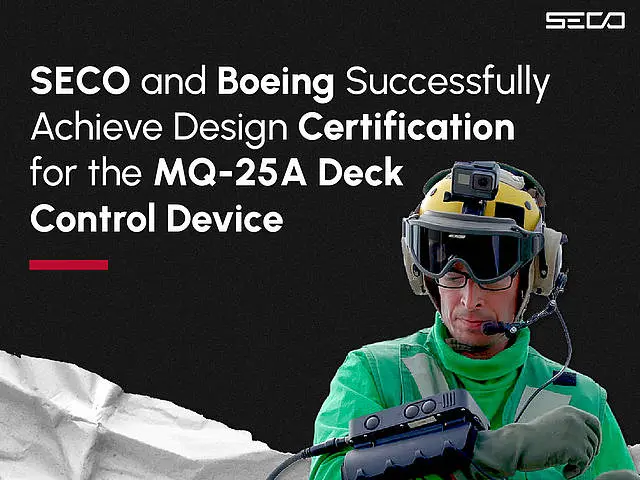
SECO and Boeing Successfully Achieve Design Certification for the MQ-25A Deck Control Device 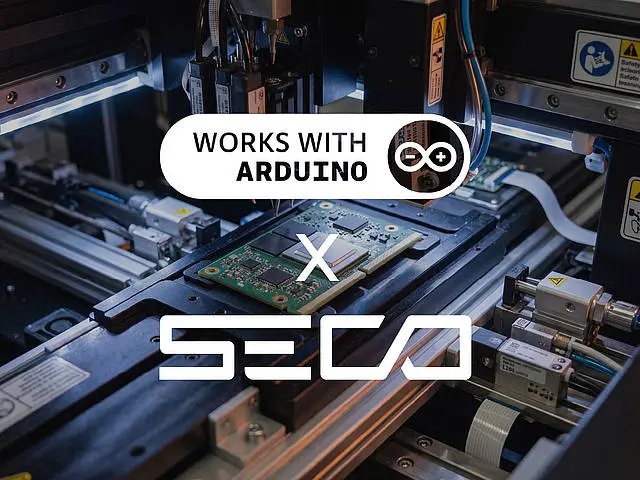
SECO announces SOM-SMARC-Dragonwing-IQ8 to bridge Arduino® prototyping and industrial Edge AI deployment 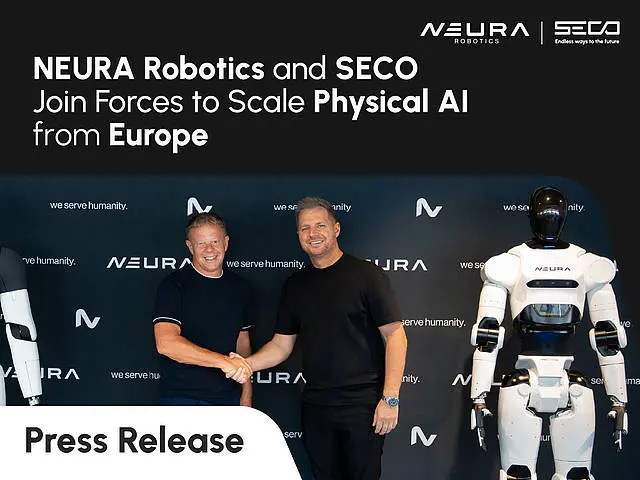
NEURA Robotics and SECO Join Forces to Scale Physical AI from Europe
Today
Looking toward the Future of Innovation
The creative vision of electronics in the early 80s has turned out to be extremely far-sighted: today, SECO is a point of reference for high-tech, computer miniaturization, and IoT. Bucking the trend of many other companies, SECO has maintained the majority of its production at its headquarters, in Italy. A winning decision that allows it to offer customers the certainty of reliable delivery schedules, high qualitative standards, and the security of timely interventions in case of project modifications. Since that garage in the 1970s, everything has changed for SECO. But today, as in that distant April of 1979, Daniele and Luciano, with Max’s support and the help of a large, efficient team behind them, continue to stand out and excel in their pursuit of innovation.